Why Modern Cars Aren’t Always Making Roads Safer
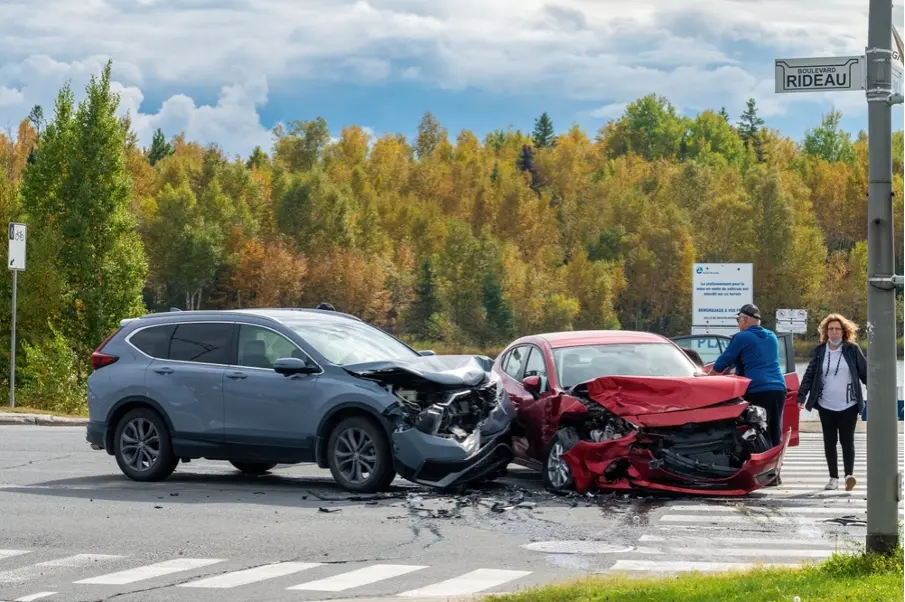
Modern vehicles are smarter than ever before. Many new cars come equipped with lane departure warnings, automatic emergency braking, adaptive cruise control, blind spot monitoring, and even partial self-driving features. Automakers market these technologies as major safety breakthroughs designed to reduce accidents and save lives.
Yet despite these advancements, traffic fatalities and serious injuries remain a major issue across the United States.
According to data from the National Highway Traffic Safety Administration (NHTSA), thousands of people continue to lose their lives in car crashes every year. At the same time, many more suffer catastrophic injuries that permanently alter their lives. This raises an important question: if vehicles are becoming more technologically advanced, why aren’t roads becoming significantly safer?
The answer is more complicated than people realize.
Safety Technology Is Only as Good as the Person Using It
Driver assistance systems can absolutely help reduce certain types of accidents. Automatic braking may help prevent rear-end collisions. Blind spot monitoring can reduce lane-change crashes. Backup cameras help improve visibility in parking lots and driveways.
However, these systems are designed to assist drivers — not replace them.
One growing concern among safety experts is that some drivers are becoming overly reliant on vehicle technology and paying less attention to the road. Features marketed as “autopilot,” “hands-free,” or “self-driving” can create a false sense of security, even though most systems still require constant driver supervision.
When drivers assume their vehicle can handle dangerous situations on its own, reaction times may slow, and distractions may increase.
Some studies have shown that drivers using advanced driver assistance systems are more likely to:
- Look away from the road
- Use their phones while driving
- Engage in other distracting behaviors
- Pay less attention during long trips.
Technology can assist with safety, but it cannot eliminate human error.
Distracted Driving Is Evolving
When most people think of distracted driving, texting while driving usually comes to mind. While texting remains extremely dangerous, modern distractions have become far more complex.
Today’s vehicles often feature large touchscreen displays that control everything from navigation and climate settings to music and messaging apps. In some cars, even adjusting the air conditioning requires using a digital menu instead of physical buttons.
These systems may look sleek and modern, but they can pull a driver’s eyes and attention away from the road for several seconds at a time.
Voice assistants, smartwatches, navigation apps, and integrated entertainment systems can also contribute to cognitive distraction, in which a driver’s mind is no longer fully focused on driving, even when their hands remain on the wheel.
Ironically, some of the very technologies intended to improve convenience may also create new risks.
Bigger Vehicles Mean Bigger Consequences
Another factor contributing to serious roadway injuries is the increasing size and weight of modern vehicles.
SUVs and pickup trucks have become significantly larger over the past two decades. While these larger vehicles may provide additional protection for occupants, they can also cause far greater damage in collisions.
Pedestrians, cyclists, and occupants of smaller vehicles are particularly vulnerable in crashes involving oversized SUVs or trucks. Higher front-end designs can increase injury severity because impacts often occur higher on the body.
In many serious accidents, the issue is not simply whether a crash occurs, but how severe it becomes once impact occurs.
Driver Behavior Still Matters Most
No amount of technology can fully compensate for reckless or negligent driving behavior.
Speeding, impaired driving, fatigue, aggressive driving, and distracted driving continue to play major roles in many serious accidents. In Texas, long stretches of highway and heavy commercial traffic can create particularly dangerous conditions when drivers become inattentive or impatient.
Many drivers also misunderstand the limitations of modern safety systems. For example:
- Automatic braking systems may not detect every obstacle.
- Lane-assist features can fail in poor weather or when road markings are faded.
- Adaptive cruise control does not replace active driving.
- Blind spot monitoring systems still leave room for human error.
Drivers who place too much trust in these systems may react too slowly in emergencies.
Weather and Road Conditions Still Create Major Risks
Even the most advanced vehicles can struggle in dangerous road conditions.
Heavy rain, flooding, fog, construction zones, debris, and poorly maintained roads continue to contribute to accidents across Texas and nationwide. Sensors and cameras may not function properly during severe weather, and automated systems can become unreliable when visibility is reduced.
This is particularly important in areas where rapid weather changes or high traffic volumes increase accident risks.
Technology may help reduce some dangers, but it cannot eliminate the unpredictability of real-world driving conditions.
Serious Injuries Continue to Change Lives
While some accidents result in relatively minor damage, many crashes still lead to devastating injuries that affect victims for years or even decades.
Common serious injuries include:
- Traumatic brain injuries
- Spinal cord injuries
- Broken bones
- Internal injuries
- Severe burns
- Chronic pain conditions.
In some cases, victims may require surgeries, rehabilitation, long-term medical care, or permanent lifestyle changes.
The financial impact can also be enormous. Medical bills, lost wages, reduced earning ability, and ongoing treatment costs can quickly overwhelm families already dealing with physical and emotional trauma.
This is one reason why understanding your legal rights after a serious accident is so important.
Why Legal Guidance Matters After a Serious Crash
Determining liability after a modern car accident is not always straightforward. Cases involving advanced vehicle technology can become especially complex.
Questions may arise about:
- Driver negligence
- Distracted driving
- Vehicle defects
- Software failures
- Commercial vehicle liability
- Roadway conditions
- Manufacturer responsibility.
Insurance companies may also attempt to minimize payouts or shift blame onto injured victims.
Working with an experienced personal injury lawyer in McCallen can help accident victims better understand their rights, gather evidence, and pursue compensation for medical expenses, lost income, pain and suffering, and other damages.
The Future of Road Safety Still Depends on Human Responsibility
There is no question that vehicle technology has the potential to save lives. Many safety systems genuinely help reduce certain types of accidents and injuries.
However, technology alone cannot solve every problem on America’s roads.
Safe driving still depends on human judgment, attention, responsibility, and awareness. Drivers must understand that assistance systems are tools — not substitutes for careful driving.
As vehicles continue to evolve, the most important safety feature may still be the person behind the wheel.
More to Read:




Previous Posts: